Skip to content


Table of Contents
Joint pain can change the way you move through your day. Stairs feel different. Workouts feel limited. Even getting comfortable after a long day can take more effort than it used to.
At LOURE Aesthetics and Wellness, PRP Joint Injections offer a steroid-free option for patients who want to address joint discomfort while supporting the body’s natural repair process. Our Perfect PRP™ method uses platelet-rich plasma from your blood to help calm inflammation, support tissue health, and encourage more comfortable movement over time.
How do PRP Joint Injections help relieve joint pain?
Answer: PRP Joint Injections use platelet-rich plasma from your own blood, which is processed and concentrated before being placed into the affected joint. The platelets release growth factors that may help reduce inflammation, support tissue repair, and improve joint comfort over time. At LOURE Aesthetics and Wellness, Perfect PRP™ is used as a natural, steroid-free approach for patients seeking joint pain relief.
What PRP Joint Injections Are
PRP stands for platelet-rich plasma. Plasma is the liquid part of your blood, while platelets are small blood components that play a role in healing and tissue repair. With PRP, a small blood draw is processed in a centrifuge to concentrate the platelets into a smaller amount of plasma.
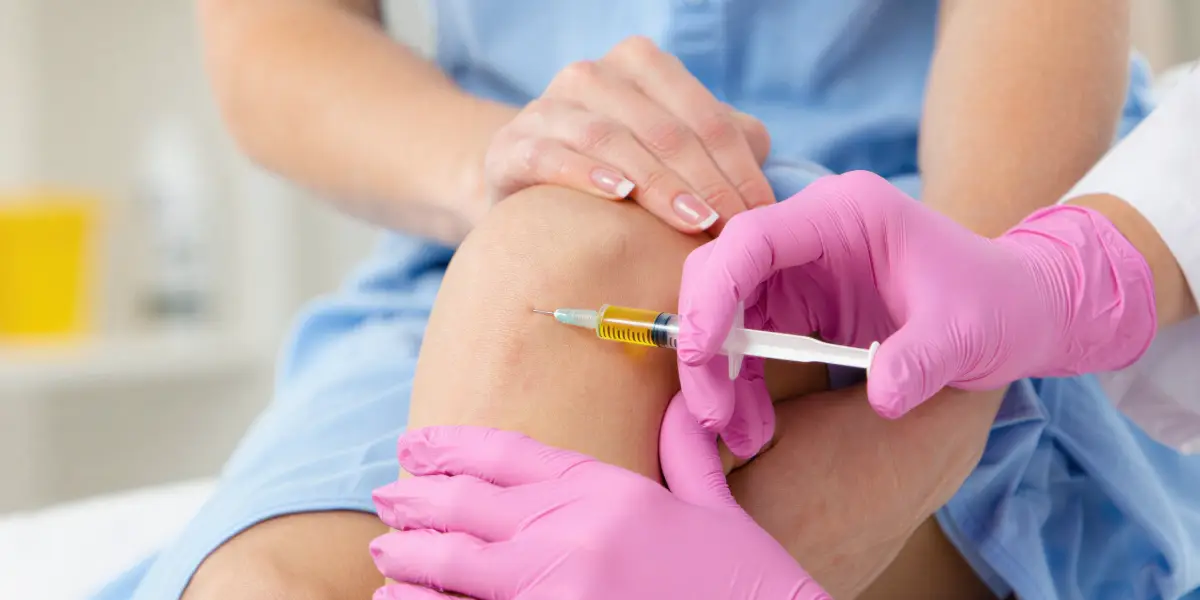
That concentrated plasma is then injected into the affected joint. The goal is not to cover up pain temporarily, but to place regenerative components where your body may need extra support.
At LOURE, we offer Perfect PRP™ joint injections. This method focuses on preparing the body before the injection, which may include wellness guidance, nutrients, vitamins, and pausing anti-inflammatory medications when appropriate. The goal is to help your body produce and receive a strong platelet-rich plasma sample.
How PRP Supports Natural Joint Pain Relief
Many patients start looking into natural joint pain relief because they want options beyond repeated steroid injections, ongoing discomfort, or limiting the activities they enjoy. PRP takes a different route by using your own platelet-rich plasma rather than a synthetic medication or steroid.
Platelets release growth factors, which are signals that help promote tissue repair. When placed into a painful joint or nearby soft tissue, PRP may help:
- Decrease inflammation in the treated area
- Support the growth of healthier tissue
- Encourage your body’s natural healing response
- Improve comfort with movement over time
Results vary from person to person, and PRP is not a quick fix for every joint concern. Some patients notice changes gradually as the tissue responds. During your consultation, we evaluate your symptoms, health history, and goals to discuss whether PRP is a reasonable fit.
PRP Joint Injections at LOURE: What Makes Perfect PRP™ Different
LOURE’s Perfect PRP™ approach is more than a same-day injection. We look at your current wellness picture because platelet quality can matter. Since PRP comes from your blood, the way your body is supported before treatment may influence the quality of the sample.
Perfect PRP™ may involve preparing your body with the right nutrition, vitamins, and guidance in advance. We may also discuss stopping anti-inflammatory medications before treatment when appropriate, since inflammation is part of the repair signaling process that PRP is designed to support.
This preparation helps us create a more thoughtful regenerative injection experience. It also gives you a clearer understanding of what PRP can and cannot do, which is important for your joint care decisions.
What Happens During PRP Therapy for Joints
Your visit starts with a consultation. We talk with you about where the pain is, how long it has been going on, what movements make it worse, and how it affects your life. We also review your health history and discuss what kind of results are realistic.
If PRP therapy for joints is a good fit, the treatment process generally includes a blood draw, processing the blood to concentrate the platelets, and injecting the platelet-rich plasma into the affected joint. The appointment is planned with comfort, safety, and precision in mind.
Since PRP is created from your own blood, many patients appreciate that it feels more natural than some other joint pain options. Still, it is a medical treatment, so we take the consultation seriously and make sure your questions are answered before moving forward.
Joints and Conditions We Commonly Evaluate
At LOURE, we currently inject the shoulder, elbow, knee, foot, and ankle. These areas can become painful from wear, injury, inflammation, overuse, or ongoing strain.
Patients may ask about PRP for concerns such as:
- Knee or shoulder osteoarthritis
- Tennis elbow
- Golfer’s elbow
- Rotator cuff problems
- Achilles tendonitis
- Plantar fasciitis
A consultation helps us determine whether your concern appears appropriate for PRP or if another type of medical evaluation may be needed first. Our goal is to guide you clearly, not push a treatment that does not match your needs..
What to Expect After Platelet-Rich Plasma Injections
After platelet-rich plasma injections, it is normal to receive aftercare instructions based on the treated area. Some soreness can happen as the tissue responds. We will let you know what to avoid, how to protect the joint, and when to return to certain activities.
PRP results are not instant. Some people begin to notice improvement in the weeks after treatment, while others need more time. The response depends on the joint, the condition being treated, your overall health, and how your body heals.
We keep expectations realistic from the start. PRP may help reduce pain and improve function, but no treatment can guarantee a specific result for every person.
How PRP Fits Into LOURE’s Regenerative Services
LOURE also offers Platelet-Rich Plasma services beyond joint injections, including PRP options for skin and hair rejuvenation. Our Platelet-Rich Plasma (PRP) service includes treatments such as PRP for regenerative aesthetics, Glory Days Hair Restoration, and PRP-based intimate wellness options.
For joint concerns, our PRP Joint Injections service stays focused on pain, inflammation, tissue support, and helping the affected joint function more comfortably.
This connection matters because PRP is not just an aesthetic tool. It is also used in regenerative care because platelets can support the body’s natural repair response in different tissues.
Ready to Move With More Comfort?
PRP Joint Injections may be a good option if joint pain has started to limit your movement, workouts, or daily routine. By using your own platelet-rich plasma, Perfect PRP™ supports a more natural approach to inflammation, tissue repair, and long-term joint comfort.
Contact us at LOURE Aesthetics and Wellness. We would be happy to talk with you about your joint pain, review your options, and help you decide whether PRP Joint Injections are a good fit for you. Book your PRP consultation today.